
Upgrading Commercial Spaces with Retrofit Railings
Railing systems are essential for safety, accessibility and design. As building codes evolve and materials age, many properties end up with outdated or noncompliant railings. The solution isn’t always a costly rebuild. Retrofit railings provide a faster, more efficient way to upgrade existing spaces, delivering safety, compliance and style without starting from scratch.
What Are Retrofit Railings?
A retrofit railing fits onto existing structures, replacing or enhancing old railings. Instead of tearing out entire staircases, balconies or decks, retrofit solutions work with what is already in place. This approach saves time, reduces waste and preserves architectural character while ensuring compliance with today’s building codes.
Why Retrofit Instead of Replace?
Retrofitting offers significant advantages over full replacement. Retrofit railing systems reuse existing posts and structural elements. Teams often complete projects in days rather than weeks, minimizing disruption to occupants and operations. This efficiency lowers labor complexity and reduces hidden expenses, making retrofitting a cost‑effective alternative to full replacement.
Retrofitting also supports sustainability by reducing demolition waste and maximizing the use of existing materials, aligning with the growing demand for greener building practices.
Meeting Today’s Safety Standards
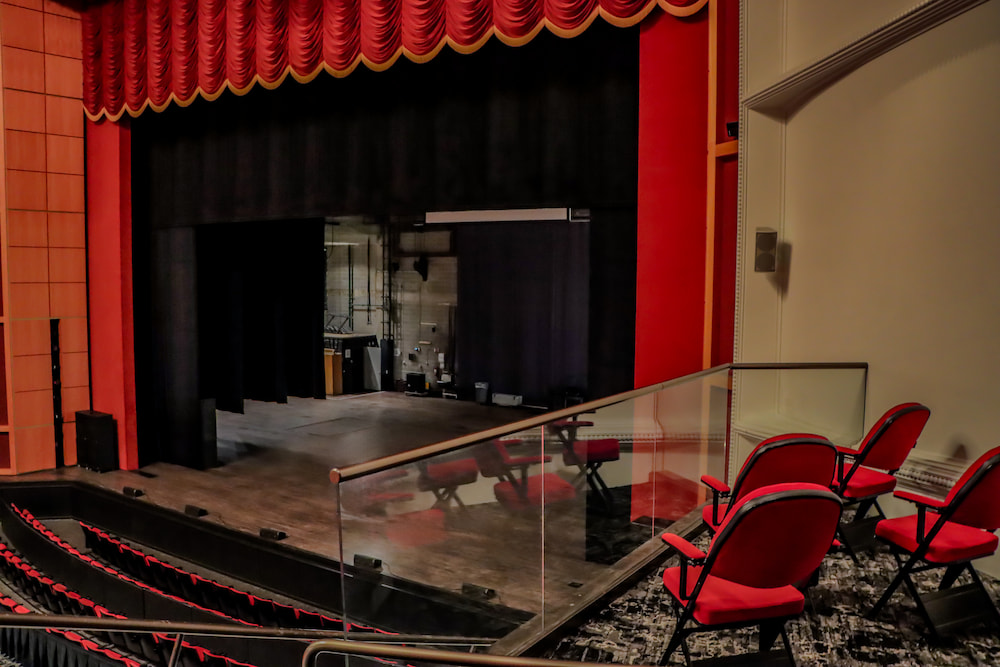
Building codes evolve, and older railings often fall short of today’s requirements. Retrofit systems make it easier to meet current standards, including proper railing heights, spacing, and load resistance.
Remember: Space balusters no more than four inches apart. Build guardrails to reach 42 inches in height. Install handrails between 34 and 38 inches, and keep them continuous, smooth and easy to grasp. Railings must also withstand 200 pounds of force from any direction.
Retrofit solutions can address these needs by:
Adding extensions or new top rails to ensure guardrails reach the required height
Installing additional balusters, infill panels or cable railing so openings are no more than four inches apart
Lengthening rails at the top and bottom of stairs or ramps so they extend beyond the first and last step
Replacing bulky or noncompliant rails with graspable profiles that meet ADA and building code requirements
Strengthening posts, brackets and mounting hardware
Replacing deteriorated wood or outdated metal with aluminum or stainless steel to resist corrosion
Where Retrofit Railings Make the Biggest Impact
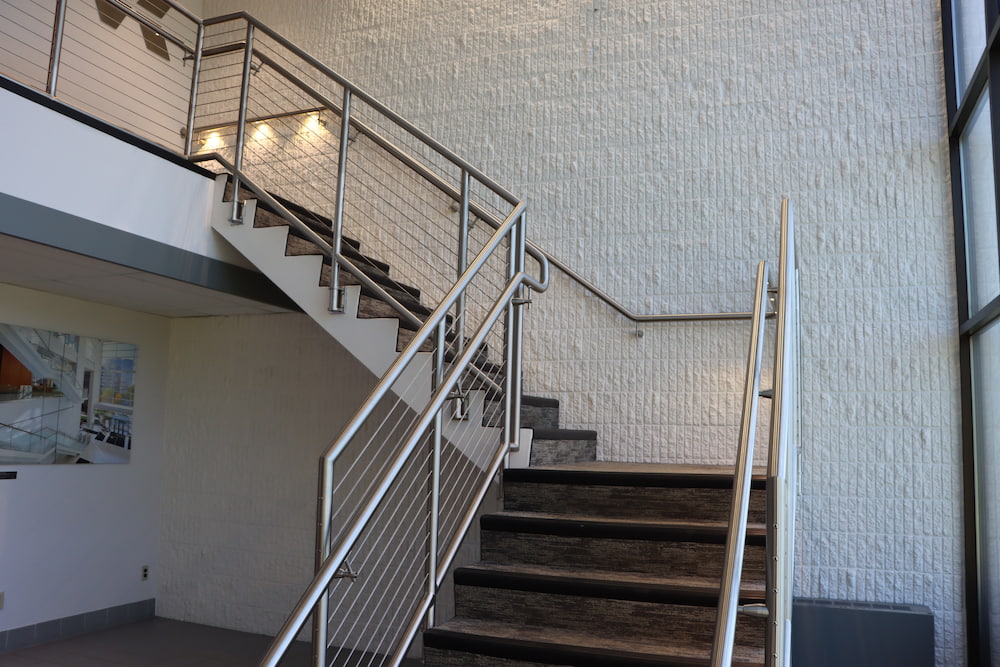
Retrofit railings are especially valuable in commercial spaces where safety and aesthetics go hand in hand. Office buildings often require stairwell and mezzanine upgrades to meet ADA compliance. Hotels and hospitality properties benefit from replacing outdated railings with sleek, modern alternatives.
Retail centers can enhance customer experience with open‑view railing systems, while healthcare and educational facilities rely on durable guardrails for safety. In historic properties, retrofitting allows owners to preserve their original character while meeting today’s safety standards.
Design Options That Elevate Spaces
Retrofit railings offer an opportunity to modernize. Outdated railings can make a property look behind the times, whereas modern materials such as stainless steel, powder‑coated aluminum, cable systems, glass infill panels or LED-integrated handrails can instantly refresh the look of a building. These upgrades improve safety, enhance appeal and align with contemporary design trends. Durable, low‑maintenance materials extend the lifecycle of railing systems, require less upkeep and provide greater long-term value.
Wagner's Practical Retrofit Approaches
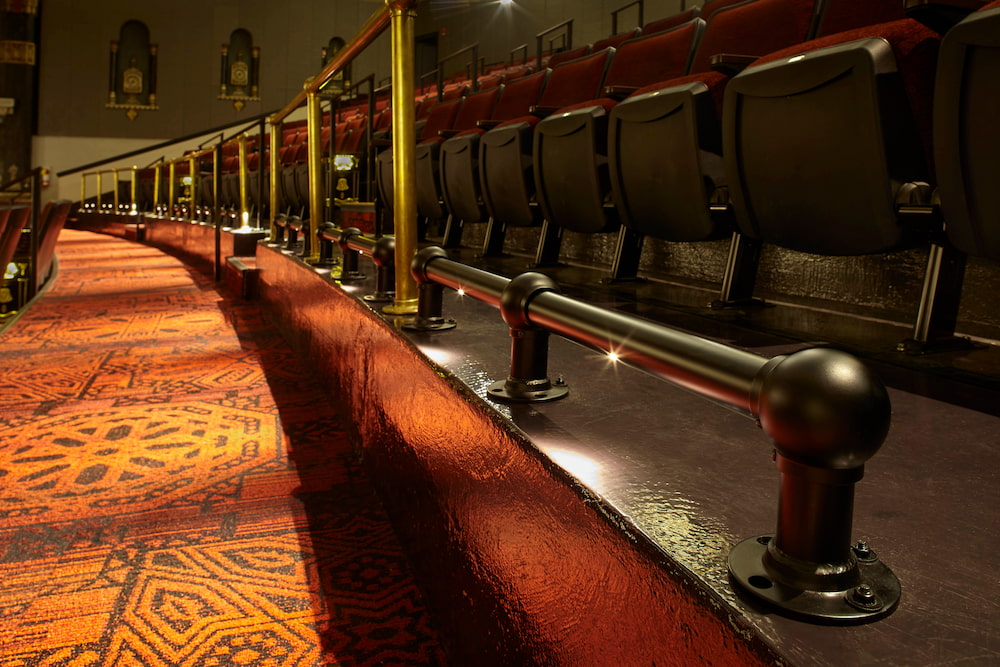
Wagner specializes in retrofit railings that adapt seamlessly to existing conditions. The team uses cutting-edge tools such as laser scanning to capture exact site layouts, ensuring precise alignment of mounting points. Many of our systems are engineered to fit directly into the footprint of the previous rail, minimizing disruption and preserving the original design intent.
Project engineers and design teams will adjust layouts, spacing, heights and handrail profiles to ensure full compliance. Additionally, Wagner’s component‑based systems let property managers replicate the look of the original railing while upgrading both materials and performance.
Case Study: The Chapel
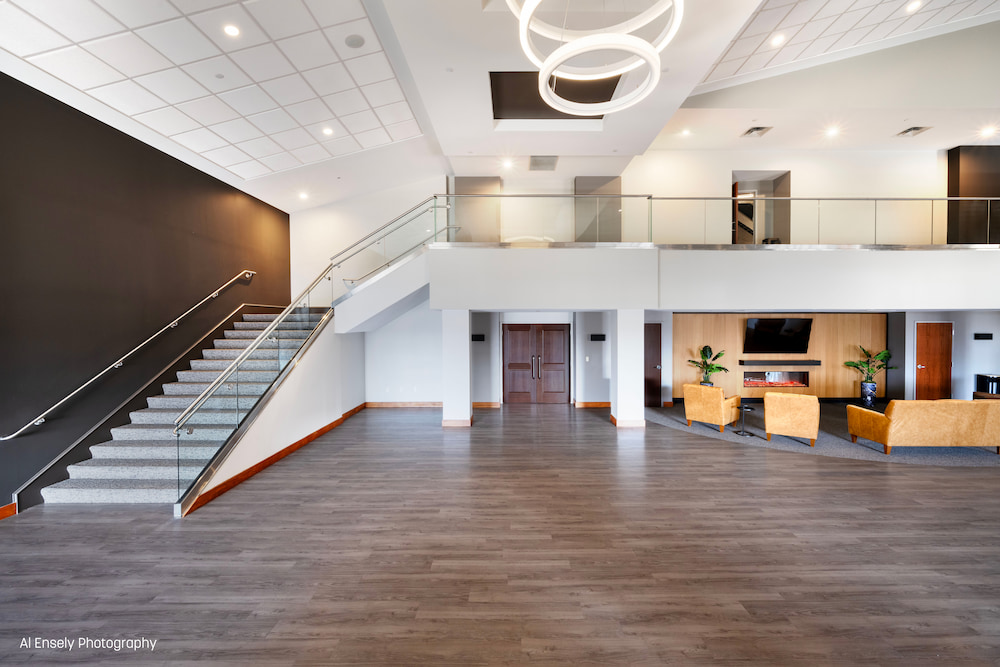
The Chapel set out to modernize its space, the goal was to achieve a sleek, contemporary railing system without exceeding budget constraints. Instead of a full replacement, the project team pursued a retrofit approach.
Using 3D laser scanning, the team tailored the design to fit the existing structure precisely, minimizing disruption and preserving architectural character. The retrofit solution incorporated a glass guardrail with wall‑mounted and guardrail–mounted handrails, delivering both safety and modern appeal. Through value engineering, the project reduced costs, extended the life of the existing infrastructure and met current code requirements.
The ROI of Retrofit Railings
Retrofitting is more than a quick fix; it is a long‑term investment. Lower upfront costs, faster project completion, reduced maintenance and improved aesthetics all contribute to a stronger return on investment. By working with existing structures rather than replacing them entirely, retrofit systems minimize waste and reduce disruption.
Retrofit railings give property owners and facility managers a smart way to extend the life of existing infrastructure and maintain compliance. As building codes evolve, older railings often fall short. Retrofit solutions offer a sustainable, efficient path forward.